


Hey there! As a varnish paint supplier, I often get asked if varnish paint can be used on a stone surface. Well, the answer isn't a simple yes or no, and in this blog, I'm gonna break it all down for you.
First off, let's talk about what varnish paint is. Varnish is a transparent, hard, protective finish or film that's used in wood finishing and other applications. It's made up of resins, drying oils, and solvents. When it dries, it forms a durable, glossy surface that can protect the material it's applied to from scratches, water damage, and UV rays.
Now, when it comes to using varnish paint on stone, there are a few things to consider.
Advantages of Using Varnish Paint on Stone
One of the main advantages is protection. Stone, especially natural stone like marble, granite, or limestone, can be porous. This means it can absorb liquids, which can lead to staining and damage over time. A good quality varnish paint can create a barrier on the stone surface, preventing liquids from seeping in. For example, if you have a stone countertop in your kitchen, varnish can protect it from spills of coffee, wine, or cooking oil.
Another advantage is the aesthetic appeal. Varnish can enhance the natural color and texture of the stone. It can give the stone a shiny, polished look, making it look more luxurious and high - end. Imagine a dull, weathered stone patio. After applying varnish paint, it can transform into a beautiful, eye - catching feature in your backyard.
Disadvantages of Using Varnish Paint on Stone
However, there are also some downsides. One of the biggest issues is adhesion. Stone surfaces can be very smooth or have a rough texture, and getting the varnish to adhere properly can be a challenge. If the varnish doesn't adhere well, it can start to peel or flake off over time, leaving the stone unprotected.
Another problem is breathability. Some stones need to "breathe," meaning they need to allow moisture to pass through. A thick layer of varnish can prevent this, leading to moisture being trapped inside the stone. This can cause problems like cracking or the growth of mold and mildew.
Types of Stone Suitable for Varnish Paint
Not all stones are created equal when it comes to using varnish paint. Dense stones like granite are generally a good choice. Granite is hard and non - porous, so it can handle the application of varnish well. The varnish can enhance its natural beauty and provide an extra layer of protection against scratches.
Marble is another option, but it's a bit more delicate. Marble is a softer stone and can be easily damaged by improper application of varnish. You need to be very careful when choosing the right type of varnish for marble to avoid any chemical reactions that could damage the stone.
On the other hand, porous stones like sandstone may not be the best candidates. The porosity of sandstone means that the varnish may not adhere properly, and it can also trap moisture inside the stone.
Preparation Before Applying Varnish Paint
Before you start slapping on the varnish, proper preparation is key. First, clean the stone surface thoroughly. Remove any dirt, dust, or debris. You can use a mild detergent and water to clean the stone, and then rinse it well and let it dry completely.
If the stone has any existing sealant or coating, you may need to remove it. This can be done using a chemical stripper, but make sure to follow the instructions carefully and wear protective gear.
Next, sand the stone surface lightly. This will help the varnish adhere better. Use a fine - grit sandpaper and sand in a circular motion. After sanding, wipe away any dust with a clean, dry cloth.
Application Process
When it comes to applying the varnish, there are a few methods you can use. You can use a brush, a roller, or a spray gun. A brush is great for small areas or for getting into tight corners. A roller is good for larger, flat surfaces, as it can cover more area quickly. A spray gun can give a more even finish, but it requires more skill and proper ventilation.
Apply the varnish in thin, even coats. Let each coat dry completely before applying the next one. The number of coats will depend on the type of varnish and the desired finish. Usually, 2 - 3 coats are sufficient.
Maintenance After Application
Once the varnish is dry, you need to take proper care of the stone surface. Avoid using harsh chemicals or abrasive cleaners, as these can damage the varnish. Instead, use a mild, pH - neutral cleaner and a soft cloth to clean the surface.
Periodically, you may need to re - apply the varnish to maintain its protective properties and appearance. How often you need to do this will depend on the amount of wear and tear the stone surface experiences.
Our Varnish Paint Products
At our company, we offer a wide range of varnish paints that are suitable for different types of stone surfaces. Our products are formulated to provide excellent adhesion, protection, and aesthetic appeal.

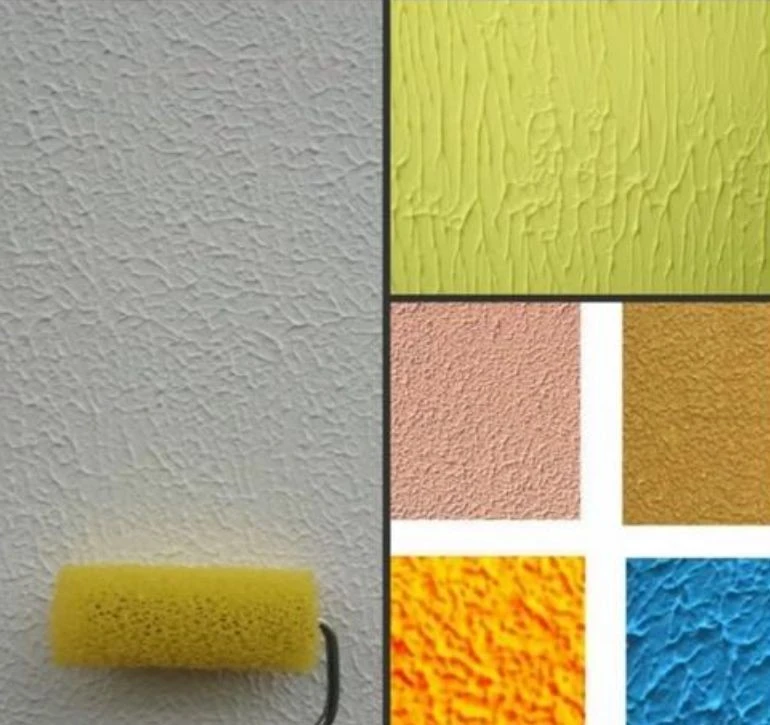
If you're interested in other types of paint, we also have some great options. Check out our Multicolored Stone Paint, which can give your stone surfaces a unique and colorful look. Our Textured Paint for Interior Walls is perfect for adding some character to your indoor spaces. And if you're looking for a paint with anti - crack properties, our Elastic Brushed Paint Anti - crack is a great choice.
Conclusion
So, can varnish paint be used on a stone surface? The answer is yes, but with some considerations. If you take the time to prepare the surface properly, choose the right type of varnish, and follow the correct application and maintenance procedures, you can achieve a beautiful and protected stone surface.
If you're thinking about using varnish paint on your stone, whether it's for a home project or a commercial application, don't hesitate to reach out to us. We're here to help you make the right choice and provide you with the best products. Contact us for more information and to start a procurement negotiation.
References
- "Stone Masonry: Design, Construction, and Maintenance" by John Smith
- "The Complete Guide to Varnishing" by Jane Doe
- "Building Materials and Their Applications" by Tom Brown


