

Your Professional Mortar Supplier
The company has production department, research and development department, engineering department, Party branch and other core departments, to provide customers with a full range of coating integration services. The main products are real stone paint, water-in-water colorful paint, fluorocarbon paint, internal and external wall latex paint, texture paint, waterproof paint, fireproof paint, anti-corrosion paint, water-based industrial paint, insulation mortar, putty, plaster plaster, EPS molded polystyrene board, SEPS graphite polystyrene board, steel wire mesh insulation board, etc.
Professional Team
The sales team conducts product introductions for customers, and the technical support team or customer service team performs demand analysis for them, proposing solutions. This is to assist customers in better understanding a product or service to facilitate their purchase decisions.
Quality Control
Products operate in strict accordance with the ISO9001 and ISO14001 quality management systems, integrating advanced domestic and foreign technologies, management approaches, and system experiences with the specific circumstances of the enterprise.
Sales Market
Products are exported to East China, North China, Central China, Northeast China, Northwest China, Africa, Southeast Asia and other regions. The construction area exceeds 100 million square meters, earning the trust and praise of domestic and foreign customers.
Production Equipment
The company has 10 production lines for real stone paint, 3 production lines for Water-in-water colorful coating, 3 production lines for latex paint, 4 production lines for dry mortar, 3 production lines for EPS polystyrene board, and 3 production lines for steel wire mesh composite insulation board.
-
![Bonding Mortar For Building]() Bonding Mortar For Buildingbonding mortar is a single-component dry powder cement-based polymer modified bonding material, specially developed and produced for global building exterior wall insulation systems, interior and exterior wall construction, decorativeread more
Bonding Mortar For Buildingbonding mortar is a single-component dry powder cement-based polymer modified bonding material, specially developed and produced for global building exterior wall insulation systems, interior and exterior wall construction, decorativeread more -
![Special Bonding Mortar For Insulation Boards]() Special Bonding Mortar For Insulation BoardsPolymer high-strength bonding mortar is a single-component dry powder cement-based polymer modified bonding material, specially developed and produced for global building exterior wall insulation systems, interior and exterior wallread more
Special Bonding Mortar For Insulation BoardsPolymer high-strength bonding mortar is a single-component dry powder cement-based polymer modified bonding material, specially developed and produced for global building exterior wall insulation systems, interior and exterior wallread more -
![Bonding Mortar Construction Mingshida China]() Bonding Mortar Construction Mingshida ChinaIn the global construction industry, every project—whether residential building, commercial complex, exterior insulation renovation, stone curtain wall installation or lightweight masonry construction—faces a core pain point: unstableread more
Bonding Mortar Construction Mingshida ChinaIn the global construction industry, every project—whether residential building, commercial complex, exterior insulation renovation, stone curtain wall installation or lightweight masonry construction—faces a core pain point: unstableread more -
![Bonding Mortar Construction Mingshida]() Bonding Mortar Construction MingshidaIn the global construction industry, every project—whether residential building, commercial complex, exterior insulation renovation, stone curtain wall installation or lightweight masonry construction—faces a core pain point: unstableread more
Bonding Mortar Construction MingshidaIn the global construction industry, every project—whether residential building, commercial complex, exterior insulation renovation, stone curtain wall installation or lightweight masonry construction—faces a core pain point: unstableread more -
![Rendering Mortar Mingshida]() Rendering Mortar MingshidaIn response to these industry challenges, we launch our high-performance polymer-modified rendering mortar—a professional wall finishing material that subverts traditional construction standards. It integrates ultra-strong bondingread more
Rendering Mortar MingshidaIn response to these industry challenges, we launch our high-performance polymer-modified rendering mortar—a professional wall finishing material that subverts traditional construction standards. It integrates ultra-strong bondingread more -
![Bonding Mortar Mingshida]() Bonding Mortar MingshidaIn the global construction industry, every project—whether residential building, commercial complex, exterior insulation renovation, stone curtain wall installation or lightweight masonry construction—faces a core pain point: unstableread more
Bonding Mortar MingshidaIn the global construction industry, every project—whether residential building, commercial complex, exterior insulation renovation, stone curtain wall installation or lightweight masonry construction—faces a core pain point: unstableread more -
![Plaster Mortar]() Plaster MortarPlaster mortar is a dry-mixed material scientifically formulated with gypsum as the primary cementitious material, supplemented with fine aggregates, polymer resins, and various functional additives. It is ready to use by simply mixingread more
Plaster MortarPlaster mortar is a dry-mixed material scientifically formulated with gypsum as the primary cementitious material, supplemented with fine aggregates, polymer resins, and various functional additives. It is ready to use by simply mixingread more -
![Bonding Mortar]() Bonding MortarStrong adhesion: Mortar can firmly bond building materials to each other, playing a role in connecting and fixing. 2. Good compressive resistance: The mortar has a certain compressive strength and can support and withstand a certain amountread more
Bonding MortarStrong adhesion: Mortar can firmly bond building materials to each other, playing a role in connecting and fixing. 2. Good compressive resistance: The mortar has a certain compressive strength and can support and withstand a certain amountread more -
![High Strength Insulation Bonding Mortar]() High Strength Insulation Bonding MortarStrong adhesion: Mortar can firmly bond building materials to each other, playing a role in connecting and fixing. 2. Good compressive resistance: The mortar has a certain compressive strength and can support and withstand a certain amountread more
High Strength Insulation Bonding MortarStrong adhesion: Mortar can firmly bond building materials to each other, playing a role in connecting and fixing. 2. Good compressive resistance: The mortar has a certain compressive strength and can support and withstand a certain amountread more -
![High Strength Repair Mortar]() High Strength Repair MortarIt has a relatively high strength and can withstand certain pressure and external force after repair, ensuring the stability of the repaired area. It has good adhesion and can firmly adhere to the surface of the repaired substrate withoutread more
High Strength Repair MortarIt has a relatively high strength and can withstand certain pressure and external force after repair, ensuring the stability of the repaired area. It has good adhesion and can firmly adhere to the surface of the repaired substrate withoutread more -
![Repair Mortar]() Repair MortarIt has a relatively high strength and can withstand certain pressure and external force after repair, ensuring the stability of the repaired area. It has good adhesion and can firmly adhere to the surface of the repaired substrate withoutread more
Repair MortarIt has a relatively high strength and can withstand certain pressure and external force after repair, ensuring the stability of the repaired area. It has good adhesion and can firmly adhere to the surface of the repaired substrate withoutread more -
![Modern Industrial High Strength Bonding Mortar]() Modern Industrial High Strength Bonding MortarStrong adhesion: Mortar can firmly bond building materials to each other, playing a role in connecting and fixing. 2. Good compressive resistance: The mortar has a certain compressive strength and can support and withstand a certain amountread more
Modern Industrial High Strength Bonding MortarStrong adhesion: Mortar can firmly bond building materials to each other, playing a role in connecting and fixing. 2. Good compressive resistance: The mortar has a certain compressive strength and can support and withstand a certain amountread more


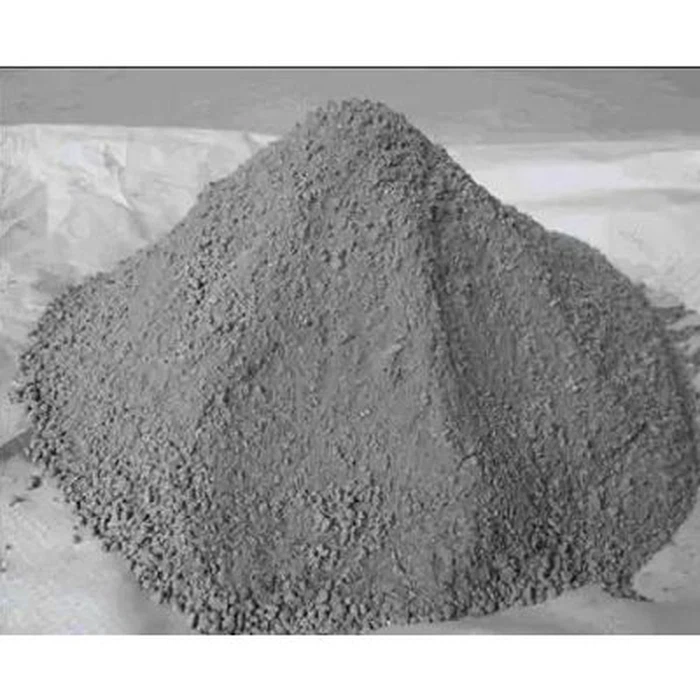
Mortar is a necessary building material that helps stick bricks, stones, or concrete blocks together to form sturdy structures. Some mortars are strong, some are easy to apply, and others set quickly. Understanding these properties is important to make sure you choose the right mortar for your building project, making sure the structure will be durable and perform well.
Types of Mortar
Type M Mortar
The highest-strength mortar (2,500 psi) is Type M mortar, which is only used where considerable compressive strength is needed. Type M mortar is generally used with stone, since it’s very strong and won’t fail before the stone does. This mortar is used for below-grade applications involving extreme pressure or lateral loads, such as foundations and retaining walls. Type M mortar is made using three parts Portland cement, one part hydrated lime, and 12 parts sand.
Type S Mortar
Like Type N mortar, type S is medium-strength (1,800 psi,) but it’s stronger than Type N and can be used for below-grade exterior walls and outdoor patios. It’s ideal for applications where the building materials come into contact with the ground, such as shallow retaining walls and paving stones. Type S mortar is made with two parts Portland cement, one part hydrated lime, and nine parts sand.
Type N Mortar
Type N mortar mix is a medium-strength mortar (750 psi) recommended for exterior and above-grade walls and interior load-bearing walls. Type N mortar withstands high heat, low temperatures, and severe weather and is considered to be a general-purpose mix. It’s the most commonly used mortar by homeowners for general applications, and it’s ideal for semi-soft stone since it’s more flexible than higher-strength mortar and will help prevent the stone from cracking. Type N mortar is made using one part Portland cement, one part lime, and six parts sand.
Type O Mortar
Type O mortar mix is low-strength (350 psi) mortar used in non-load-bearing interior projects. It’s often used to repair mortars and is generally used with sandstone and other materials with low compressive strength, since it’s very flexible. This mortar has very limited exterior use. Type O mortar is made using one part Portland cement, two parts hydrated lime, and nine parts sand.
Advantages of Mortars in Civil Engineering

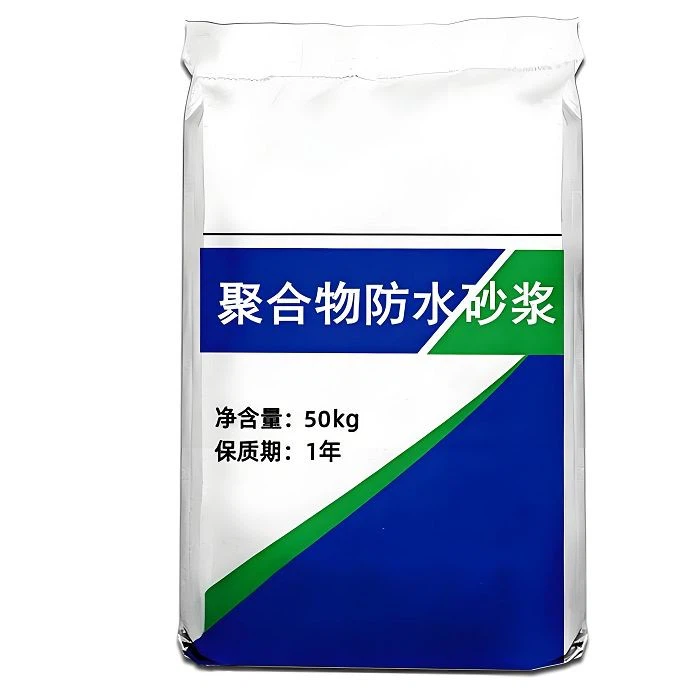
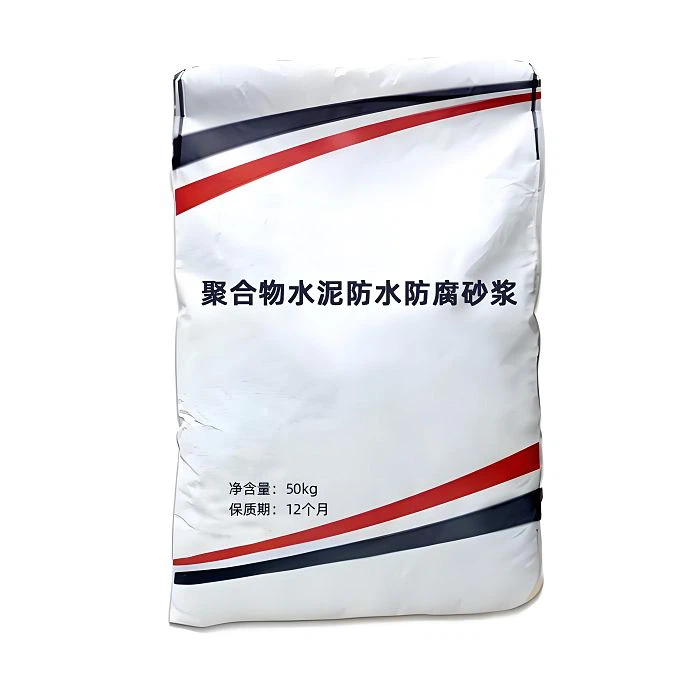

Enhanced Structural Integrity
Mortar binds masonry units such as bricks, stones, and blocks together, creating a cohesive and stable structure. This bonding capability ensures that the individual units act as a single, unified element, improving the overall structural integrity.
Load Distribution
Mortar helps to distribute loads evenly across the masonry units, reducing stress concentrations and preventing structural failure. This uniform distribution of loads enhances the stability and strength of the structure.
Sealing and Waterproofing
Mortar fills the gaps and joints between masonry units, providing a seal against water penetration, air infiltration, and other environmental elements. This sealing property protects the internal structure from moisture damage and improves the durability of the building.
Thermal and Acoustic Insulation
Mortar contributes to the thermal and acoustic insulation of a building. By filling the spaces between masonry units, mortar reduces heat transfer and dampens sound transmission, enhancing the comfort and energy efficiency of the structure.
Aesthetic Appeal
Mortar can be used to create smooth and aesthetically pleasing finishes on masonry surfaces. It can also be colored and textured to match or complement the building’s design, enhancing its visual appeal.
Flexibility and Adaptability
Mortar can accommodate slight movements within the masonry units due to thermal expansion, contraction, or settling. This flexibility helps prevent cracking and maintains the structure’s integrity over time.
Bricklaying Mortar
Bricklaying mortar is most commonly used to bind bricks, stones and concrete blocks together for masonry projects. Bricklaying mortar can also be used as a bed to support these building materials from bearing an uneven weight distribution onto each other as the structure is being built.
Finishing Mortar
For construction projects that require plastering, as well as those looking to add a certain aesthetically pleasing appearance to the structure, finishing mortar is typically used. Finishing mortar, which will often utilize lime and/or cement as the binding material, is used to increase the strength and mobility of a structure, as well as improve its resistance against damaging environmental incidents like rain and wind.
Thinset Mortar
Thinset mortar can be used as a glue-like structure for projects that require ceramic or stone installation.
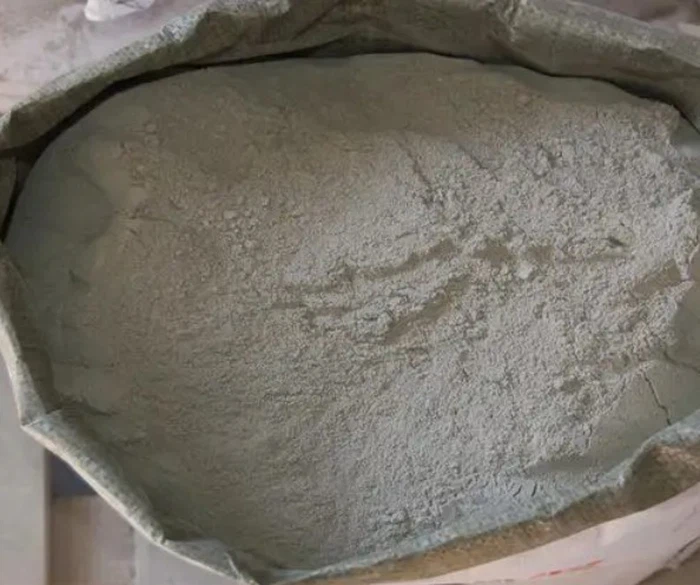
4 Values to Measure Mortar's Strength
Compressive strength
This type of strength measures how a structure handles compression from above. High compressive strength is necessary for load-bearing structures like walls.
Flexural strength
Also known as bend strength, this measures how a structure handles lateral forces. Below-grade or retaining structures that have soil pushing up against them require mortar with a high flexural strength.
Bonding ability
Some mortar uses require more bonding strength than others. Adequate bonding strength ensures the stability and durability of a structure, but the level of strength depends on the size of the masonry components being bonded.
Exposure to natural forces
Exterior projects may require a mortar that can handle exposure to elements such as water, wind, and extreme temperatures.
What Is Mortar Made Of?
Cement (mortar binder)
Cement acts as the glue that binds the mixture. It provides strength and durability to the mortar, ensuring that the masonry units stay firmly in place.
Lime
Lime improves the workability and elasticity of the mortar, making it easier to spread and shape. It also helps the mortar to withstand minor movements and temperature changes without cracking.
Sand (mortar aggregate)
Sand is the bulk component that gives the mortar its structure. The type and grain size of sand affect the texture and strength of the mortar, contributing to its overall performance.
Water
Water activates the cement and lime, starting the chemical reactions that cause the mortar to harden and set. The right amount of water is key to achieving the desired consistency and strength.
Quality Requirements of Good Mortar
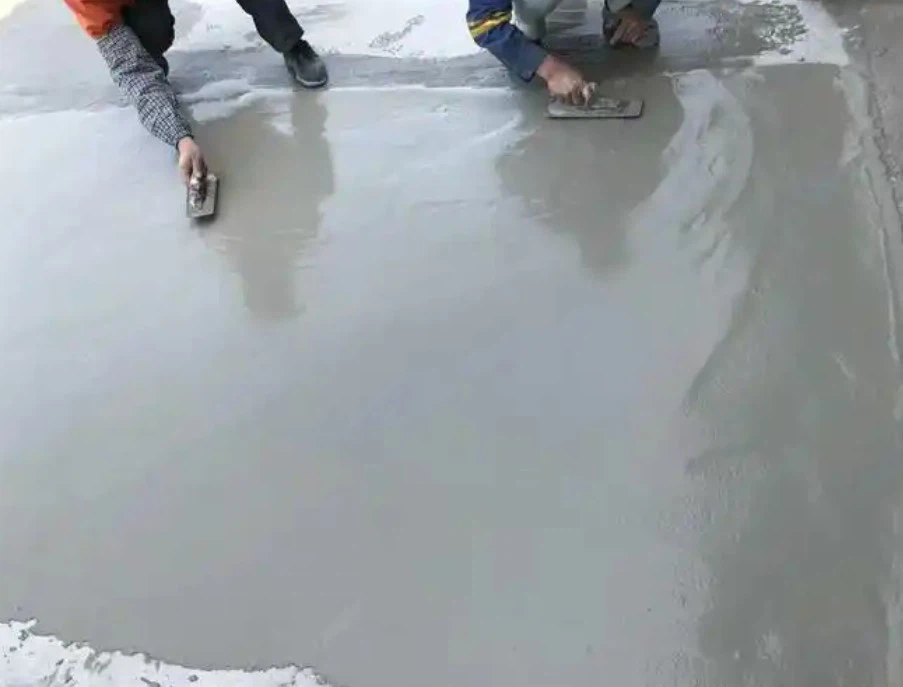
Strength
The strength of masonry depends upon both the mortar and the building unit (brick, stone or block). A very strong mortar with weak building units will be of little use. It is also important to consider whether full strength is required within a short time. In cold weather, when the strength of lime or cement mixes develops slowly, this is likely to affect the choice of mix.

Resistance To Penetration Of Rain
The mortar for plastering should protect the masonry joints and units by forming an impermeable sheet. A satisfactory bond between the building units, mortar and plaster should be ensured.
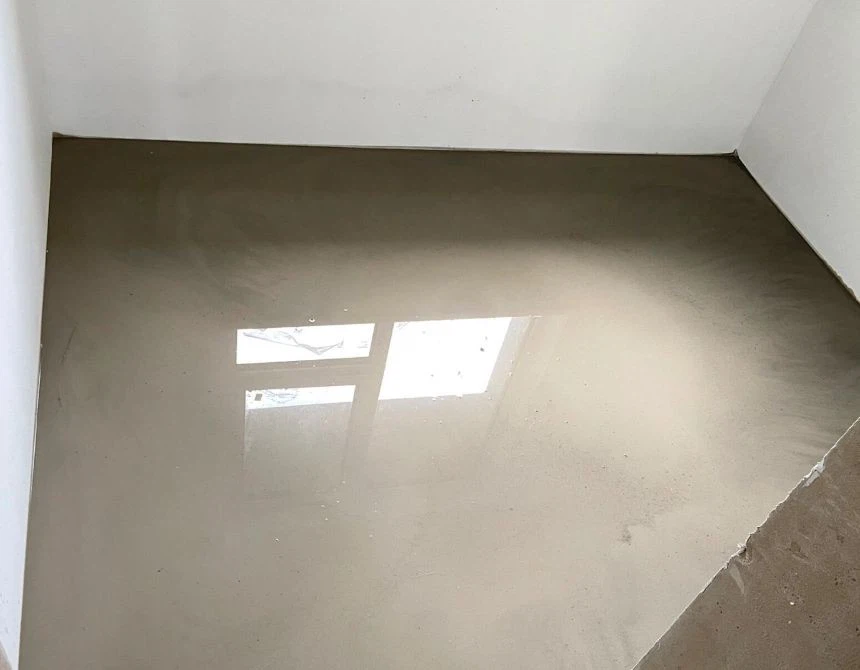
Mobility & Placability
The term mobility is used to indicate the consistency of mortar. The placeability is the ease with which the mortar mix can be applied with a minimum cost in a thin and uniform layer on the surface. Depending on its composition a mortar may have a consistency ranging from stiff to fluid. Mortars for masonry, finishes and other works are made sufficiently mobile.
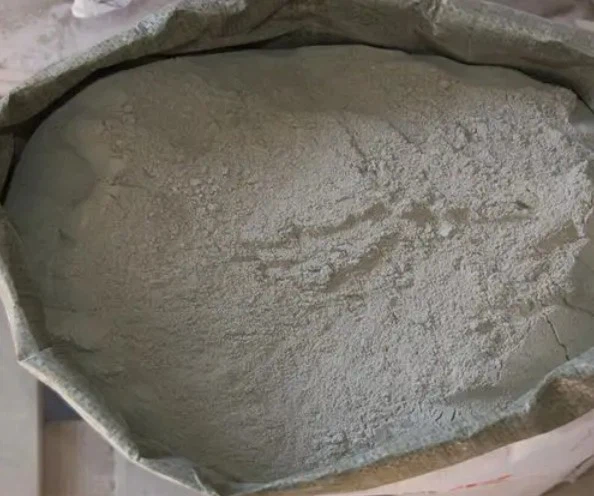
Water Retention
It is characterized by the ability of mortar not to stratify during transportation and to retain adequate humidity in a thin layer spread over a porous bed. A mortar mix of low water retention will show the defects after hardening. Mortar may lose so much water that the amount left may be insufficient for its hardening and required strength. Mineral and organic plasticizing agents may be added to enhance water retention.
Our Factory
Shandong Mingshida Construction Technology Co., Ltd. was established in 2008 with a registered capital of 44,122,500 yuan. The company is headquartered in Yantai, Shandong Province, known as the most suitable coastal city for human habitation.


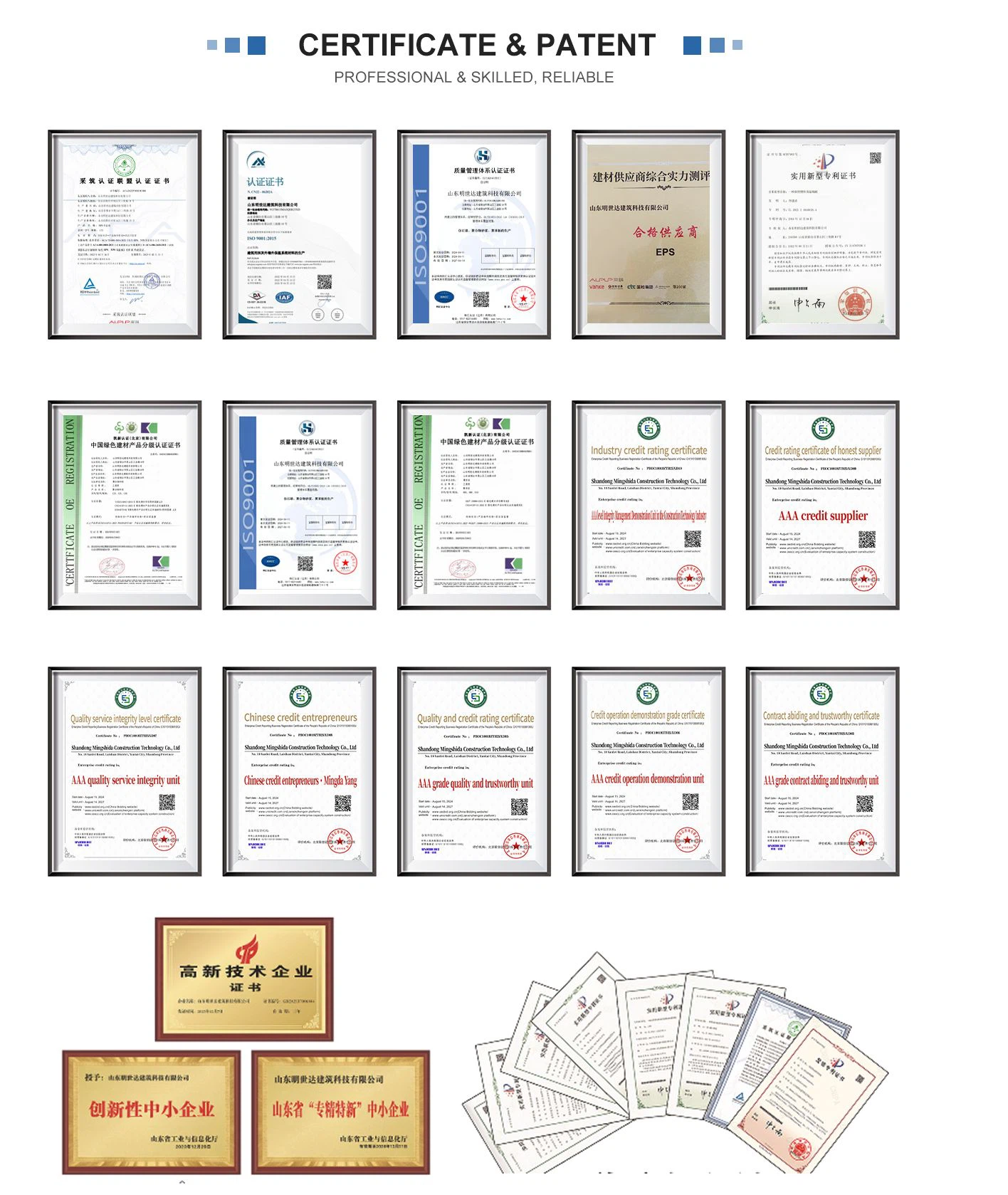
Our Certifications
FAQ
We're professional mortar manufacturers and suppliers in China, specialized in providing high quality customized service. We warmly welcome you to wholesale discount mortar made in China here from our factory. Contact us for free sample.
mortar for prisons, mortar for driveways, mortar for airports-
![Stone Paint]() Stone PaintSTONE PAINT is an advanced stone coating system engineered for extreme climates and high-end architectural aesthetics.read more
Stone PaintSTONE PAINT is an advanced stone coating system engineered for extreme climates and high-end architectural aesthetics.read more -
![EPS Composite Insulation Board]() EPS Composite Insulation BoardWelcome to the future of building envelopes – NexusWall Pro. We are not merely an insulation material; we are aread more
EPS Composite Insulation BoardWelcome to the future of building envelopes – NexusWall Pro. We are not merely an insulation material; we are aread more -
![Integrated Insulation Structure]() Integrated Insulation StructureThe Integrated Insulation-Structure System is not merely a layering of materials; it represents a complete paradigmread more
Integrated Insulation StructureThe Integrated Insulation-Structure System is not merely a layering of materials; it represents a complete paradigmread more -
![Steel Wire Mesh Insulation Board Integration System]() Steel Wire Mesh Insulation Board Integration SystemThe pull-type combined insulation structure integrated insulation board is a new generation of cast-in-place internalread more
Steel Wire Mesh Insulation Board Integration SystemThe pull-type combined insulation structure integrated insulation board is a new generation of cast-in-place internalread more -
![Exterior Stone Paint Manufacturer]() Exterior Stone Paint ManufacturerStone paint, as the name suggests, is a highly realistic stone-imitation coating. It uses natural colored sand, quartzread more
Exterior Stone Paint ManufacturerStone paint, as the name suggests, is a highly realistic stone-imitation coating. It uses natural colored sand, quartzread more -
![Wire Mesh Steel Integrated Insulation Structure]() Wire Mesh Steel Integrated Insulation StructureThe pull-type combined insulation structure integrated insulation board is a new generation of cast-in-place internalread more
Wire Mesh Steel Integrated Insulation StructureThe pull-type combined insulation structure integrated insulation board is a new generation of cast-in-place internalread more


