


Can acrylic wall putty be used in high - humidity areas?
As a supplier of acrylic wall putty, I often receive inquiries from customers in high - humidity areas about the suitability of our product. High - humidity environments, such as coastal regions, basements, and bathrooms, present unique challenges for building materials. In this blog post, I will explore whether acrylic wall putty is a viable option for these areas.
Understanding Acrylic Wall Putty
Acrylic wall putty is a popular choice for interior and exterior wall finishing. It is made by mixing acrylic resin with various fillers, pigments, and additives. The acrylic resin imparts several desirable properties to the putty, such as good adhesion, flexibility, and water resistance.
One of the key advantages of acrylic wall putty is its ability to form a smooth and durable surface. It can fill in small cracks and imperfections on the wall, providing a uniform base for painting or wallpapering. Additionally, acrylic wall putty has good weather resistance, making it suitable for both indoor and outdoor applications.
Challenges in High - Humidity Areas
High - humidity areas pose several challenges for building materials. Excessive moisture in the air can lead to problems such as mold growth, mildew, peeling paint, and deterioration of the wall surface. When it comes to wall putty, the main concern is its ability to withstand the constant exposure to moisture without losing its integrity.
Mold and mildew thrive in damp environments. If the wall putty is not resistant to moisture, it can become a breeding ground for these fungi, which not only look unsightly but can also pose health risks. Peeling paint is another common issue in high - humidity areas. When the wall putty absorbs moisture, it can cause the paint to lose its adhesion to the surface, resulting in peeling and flaking.
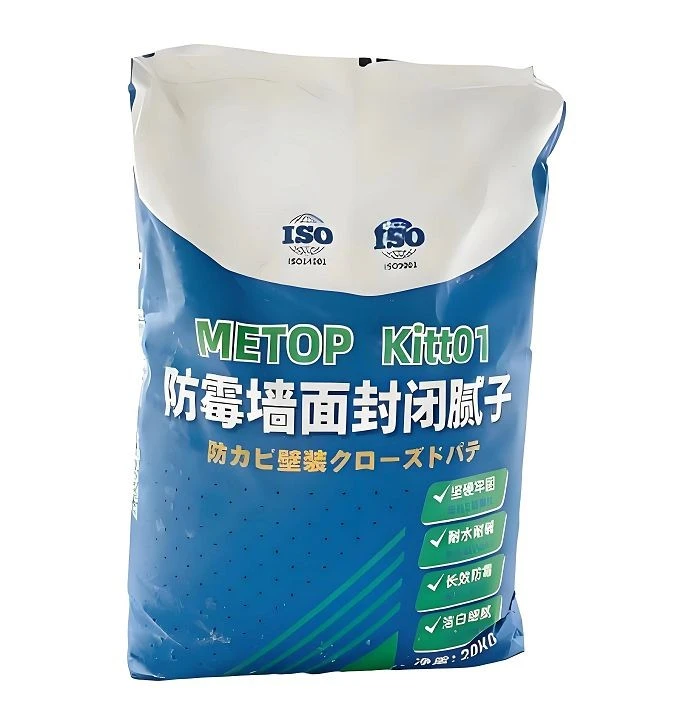

Acrylic Wall Putty's Resistance to Moisture
Acrylic wall putty has relatively good water - resistance properties compared to some other types of wall putty. The acrylic resin in the putty forms a protective film on the wall surface, which helps to prevent moisture from penetrating the wall. This film acts as a barrier, reducing the risk of mold growth and mildew.
However, it is important to note that no wall putty is completely waterproof. In extremely high - humidity conditions, even acrylic wall putty may be affected by moisture over time. For example, if there is a continuous source of water leakage, such as a plumbing problem or a roof leak, the putty may eventually succumb to the moisture and start to deteriorate.
Factors Affecting Acrylic Wall Putty's Performance in High - Humidity Areas
Several factors can affect how well acrylic wall putty performs in high - humidity areas:
- Quality of the product: The quality of the acrylic wall putty plays a crucial role in its moisture resistance. Higher - quality putties usually contain a higher proportion of acrylic resin and better - quality additives, which can enhance their ability to withstand moisture. For more information on high - quality acrylic wall putty products, you can check out Acrylic Powder For Wall Putty.
- Application method: Proper application is essential for the performance of acrylic wall putty. The wall surface should be clean, dry, and free of any loose particles before applying the putty. If the putty is not applied evenly or if there are gaps or voids in the application, moisture can seep in and cause problems.
- Ventilation: Adequate ventilation in high - humidity areas can significantly reduce the moisture levels in the air. Good ventilation helps to dry out the walls and prevent the buildup of moisture. If the area is poorly ventilated, the acrylic wall putty may be more likely to be affected by moisture.
- Thickness of the putty layer: Applying the putty in the correct thickness is important. A too - thin layer may not provide sufficient protection against moisture, while a too - thick layer can take longer to dry and may be more prone to cracking.
Comparison with Other Wall Putty Types
When considering using wall putty in high - humidity areas, it is useful to compare acrylic wall putty with other types of putty.
- Tonic Wall Putty: Tonic Wall Putty is another type of wall putty. It generally has good adhesion and filling properties. However, its moisture resistance may not be as good as that of acrylic wall putty. Tonic wall putty may be more prone to mold growth and peeling in high - humidity conditions.
- Ordinary Portland Cement - based Putty: Ordinary Portland Cement putty is commonly used in construction. While it is strong and durable, it is relatively porous and can absorb moisture easily. In high - humidity areas, cement - based putty may require additional waterproofing treatments to prevent moisture - related problems.
Best Practices for Using Acrylic Wall Putty in High - Humidity Areas
If you decide to use acrylic wall putty in a high - humidity area, here are some best practices to follow:
- Prepare the wall surface properly: Clean the wall thoroughly and repair any cracks or holes before applying the putty. Make sure the wall is dry before starting the application.
- Use a primer: Applying a waterproof primer before the putty can enhance the moisture resistance of the wall. The primer helps to seal the wall surface and provides a better base for the putty.
- Apply multiple thin layers: Instead of applying one thick layer of putty, it is better to apply multiple thin layers. This allows each layer to dry properly and reduces the risk of cracking.
- Ensure proper ventilation: Install exhaust fans or open windows regularly to improve ventilation in the area. This helps to keep the moisture levels in check.
- Inspect regularly: Regularly inspect the wall for any signs of mold, mildew, or peeling. If you notice any problems, address them promptly to prevent further damage.
Conclusion
In conclusion, acrylic wall putty can be used in high - humidity areas, but it is not a one - size - fits - all solution. Its relatively good water - resistance properties make it a better choice compared to some other types of wall putty. However, proper application, good ventilation, and regular maintenance are crucial for its long - term performance in high - humidity environments.
If you are in a high - humidity area and are considering using acrylic wall putty for your project, I encourage you to contact us for more information. We can provide you with detailed product specifications and advice on the best way to use our acrylic wall putty to ensure optimal results. Whether you are a contractor, a builder, or a homeowner, we are here to assist you in making the right choice for your wall finishing needs.
References
- Building Materials Handbook: A comprehensive guide to various building materials and their properties.
- Research papers on the performance of wall putty in different environmental conditions.


