


Hey there! I'm a supplier of Gypsum Plaster Powder, and I know firsthand how crucial workability is when it comes to this product. In this blog, I'll share some tips on how to improve the workability of gypsum plaster powder, which can make your construction projects go a whole lot smoother.
Understanding Gypsum Plaster Powder
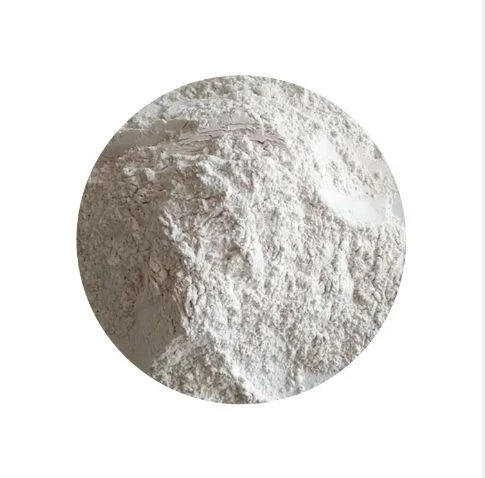
First off, let's talk a bit about what gypsum plaster powder is. Gypsum plaster powder is a popular building material used for interior wall and ceiling finishes. It's made from gypsum, a soft sulfate mineral, which is heated and ground into a fine powder. Once mixed with water, it forms a paste that can be applied to surfaces and hardens over time. You can find more information about Gypsum Plaster Powder on our website.
Why Workability Matters
Workability refers to how easily the gypsum plaster powder can be mixed, applied, and shaped during the construction process. Good workability means less effort for the workers, a more even application, and a better finish. It can also reduce the time and cost of a project. On the other hand, poor workability can lead to issues like clumping, uneven drying, and a rough surface. So, improving workability is definitely worth the effort.
Tips to Improve Workability
1. Water - Powder Ratio
The most basic and important factor in improving workability is getting the right water - powder ratio. If you add too much water, the plaster will be too runny and may not hold its shape or dry properly. If you add too little water, it will be too thick and difficult to spread.
Start by following the manufacturer's instructions on the packaging. Usually, they'll give you a recommended ratio. But keep in mind that environmental conditions like temperature and humidity can affect this ratio. For example, in hot and dry conditions, you may need to add a bit more water to keep the plaster workable for longer.
2. Mixing Technique
How you mix the gypsum plaster powder and water also matters a lot. Use a clean mixing container and a reliable mixer. Pour the water into the container first, then slowly add the powder while the mixer is running. This helps to prevent clumps from forming.
Mix the plaster for the recommended amount of time. Usually, it's around 2 - 3 minutes, but it can vary depending on the product. After mixing, let the plaster stand for a few minutes. This is called "maturing" or "resting," and it allows the chemical reactions to start properly and can improve the workability.
3. Additives
Adding certain substances can significantly improve the workability of gypsum plaster powder. For example, plasticizers can make the plaster more flexible and easier to spread. They reduce the friction between the particles in the plaster, making it flow better.
Retarders are another useful additive. They slow down the setting time of the plaster, giving you more time to work with it. This is especially helpful in large projects or when the temperature is high, which can cause the plaster to dry too quickly.
4. Storage Conditions
How you store the gypsum plaster powder can also impact its workability. Keep the powder in a dry place. Exposure to moisture can cause the powder to clump and harden, making it difficult to use.
Make sure the storage area is well - ventilated and at a stable temperature. Extreme temperatures can affect the chemical properties of the powder, so try to store it in an environment with a moderate temperature.

5. Compatibility with Other Materials
If you're using the gypsum plaster powder in combination with other materials like Wall Putty or Plastering Gypsum, make sure they are compatible. Incompatible materials can lead to issues like poor adhesion, cracking, or a change in the workability of the plaster.
Before starting a project, do a small test patch to check how the different materials interact with each other. This can save you a lot of headaches in the long run.
Real - World Examples
I've seen these tips work wonders in many construction projects. For instance, a contractor was having trouble with the workability of our gypsum plaster powder on a large commercial building project. The weather was hot, and the plaster was drying too quickly, making it difficult to apply evenly.
We recommended adding a retarder to the mix. After following our advice, the contractor noticed a significant improvement. The plaster stayed workable for a longer time, and the workers were able to apply it more smoothly. The end result was a high - quality finish that met the client's expectations.
Conclusion
Improving the workability of gypsum plaster powder is not rocket science. By paying attention to factors like the water - powder ratio, mixing technique, additives, storage conditions, and material compatibility, you can make the plaster easier to work with and achieve better results.
If you're in the market for high - quality gypsum plaster powder or have any questions about improving workability, don't hesitate to get in touch. We're here to help you with your construction needs. Whether you're a small - scale builder or a large construction company, we can provide you with the right products and advice. Let's work together to make your projects a success!
References
- Construction Materials Handbook: A Guide to Selection and Specification.
- Journal of Building Engineering research on gypsum - based materials.


