


Hey there! As a supplier of wall interface paint, I've been thinking a lot about the environmental impacts of what we're selling. You know, it's not just about making the walls look good; we also gotta consider how it affects our planet. So, let's dive into the environmental impacts of wall interface paint.
1. Raw Material Sourcing
First off, let's talk about where the raw materials for wall interface paint come from. A lot of the ingredients in paint are derived from petrochemicals. These are non - renewable resources, and extracting them can have some serious environmental consequences. For example, oil drilling often leads to habitat destruction, oil spills, and water pollution. When we use petrochemical - based solvents in our paint, we're contributing to the depletion of these precious resources.
But it's not all bad news. There are some alternatives out there. For instance, some manufacturers are starting to use plant - based oils and resins. These are renewable resources, and they can be grown and harvested in a more sustainable way. They also tend to have a lower carbon footprint compared to their petrochemical counterparts.
When it comes to other components, like pigments and fillers, things can get a bit tricky. Some pigments contain heavy metals such as lead, mercury, and cadmium. These metals are toxic and can leach into the soil and water over time, posing a threat to human health and the environment. That's why it's crucial to source high - quality pigments that are free from these harmful substances.
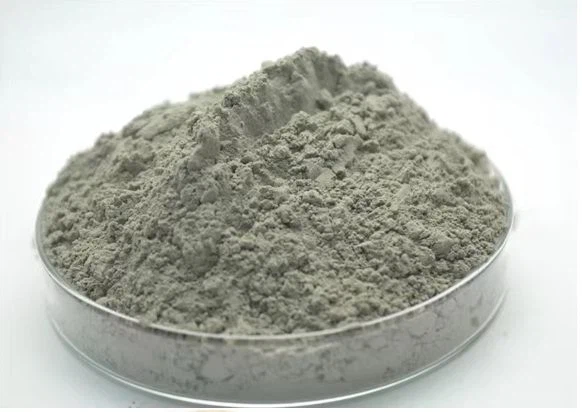
If you're looking for other wall - related products, you might be interested in Bulk Portland Cement. It's an important material for many construction projects, and it's good to know about its environmental aspects too.
2. Manufacturing Process
The manufacturing of wall interface paint also has its own set of environmental impacts. One of the main issues is energy consumption. The process of mixing, heating, and cooling the various ingredients requires a significant amount of energy. Most of this energy comes from fossil fuels, which release greenhouse gases into the atmosphere. These gases contribute to global warming and climate change.
To reduce energy consumption, some paint manufacturers are investing in more energy - efficient equipment and processes. For example, they might use heat recovery systems to reuse the heat generated during the manufacturing process. This not only saves energy but also reduces costs in the long run.
Another concern during manufacturing is waste generation. There are often leftover materials, such as unused solvents, pigments, and packaging. If these wastes are not properly managed, they can end up in landfills or be released into the environment. Some companies are now implementing recycling programs to reduce waste. They might recycle the packaging materials or find ways to reuse the leftover paint ingredients.
3. Volatile Organic Compounds (VOCs)
VOCs are a major environmental and health concern when it comes to wall interface paint. These are organic chemicals that can easily evaporate at room temperature. When we paint a wall, these VOCs are released into the air, contributing to indoor and outdoor air pollution.
Indoor air pollution from VOCs can cause a variety of health problems, including headaches, dizziness, eye irritation, and respiratory issues. In the long term, exposure to high levels of VOCs can even increase the risk of cancer.
Outdoor air pollution from VOCs can react with other pollutants in the atmosphere to form ground - level ozone. Ground - level ozone is a major component of smog, which can have negative impacts on human health, plant growth, and the overall environment.
Thankfully, there are low - VOC and zero - VOC paints available on the market. These paints are formulated to release fewer or no VOCs, making them a much better choice for both the environment and our health. As a supplier, I always recommend these options to my customers.
4. Application and Use
When it comes to applying wall interface paint, there are also some environmental factors to consider. One of the main issues is over - spraying. This can waste paint and also release more VOCs into the air. To minimize over - spraying, painters can use proper techniques and equipment, such as high - volume low - pressure (HVLP) sprayers.

Another aspect is the cleaning of painting equipment. If the cleaning solvents are not disposed of properly, they can contaminate water sources. It's important to follow the manufacturer's instructions for cleaning and disposing of these solvents.
During the use of the painted walls, the paint can gradually wear and tear. In some cases, the paint might start to peel or flake off. If this paint contains harmful substances, such as heavy metals or VOCs, it can pose a risk to the environment and human health. Regular maintenance and proper disposal of any peeling paint are essential.
If you're doing some wall plastering work, Wall Plastering Gypsum Plaster is a great option. It's important to understand how it interacts with the paint and the overall environmental impact of the whole wall - finishing process.
5. End - of - Life Disposal
Finally, let's talk about what happens when the paint has reached the end of its life. If the paint is not disposed of properly, it can end up in landfills, where it can leach harmful substances into the soil and groundwater. Some paints might also contain flammable or reactive components, which can pose a safety hazard in landfills.
Recycling is one option for paint disposal. Some companies offer paint recycling programs, where they collect used paint and reuse it in new products. However, not all types of paint can be recycled, especially those with high levels of contaminants.
Another option is to donate the paint if it's still in good condition. There are often community organizations or DIY enthusiasts who can make use of the leftover paint.
Conclusion
So, as you can see, wall interface paint has a range of environmental impacts throughout its life cycle. From raw material sourcing to end - of - life disposal, there are many areas where we can make more sustainable choices. As a supplier, I'm committed to providing high - quality, environmentally friendly wall interface paint to my customers.
If you're in the market for wall interface paint or other related products like Acrylic Wall Putty, I'd love to have a chat with you. Whether you're a contractor, a DIYer, or a homeowner, I can help you find the best products that meet your needs while also being kind to the environment. Don't hesitate to reach out and start a conversation about your painting projects. Let's work together to create beautiful walls without harming our planet.
References
- "Environmental Impact of Paints and Coatings" by XYZ Research Institute
- "VOCs in Paints: A Health and Environmental Concern" published by ABC Environmental Journal
- "Sustainable Paint Manufacturing: Best Practices" from DEF Industry Report


