


Hey there! As a plastering gypsum supplier, I often get asked about the correct water-to-plastering gypsum ratio. It's a crucial topic because getting this ratio right can make or break your plastering project. So, let's dive right in and explore what this ratio is all about.
Why the Ratio Matters
First off, you might be wondering why the water-to-plastering gypsum ratio is such a big deal. Well, think of it like baking a cake. If you add too much water, your cake will be soggy and won't hold its shape. On the other hand, if you don't add enough water, your cake will be dry and crumbly. The same goes for plastering gypsum.
The right ratio ensures that the plaster has the right consistency. If it's too runny, it won't adhere properly to the surface and might drip or sag. If it's too thick, it'll be hard to spread evenly, and you might end up with a rough finish. Plus, the curing process of the plaster is also affected by the ratio. A proper ratio allows the gypsum to set correctly, which is essential for its strength and durability.
Factors Affecting the Ratio
Now, there isn't a one-size-fits-all answer when it comes to the water-to-plastering gypsum ratio. Several factors can influence what the ideal ratio should be for your specific project.

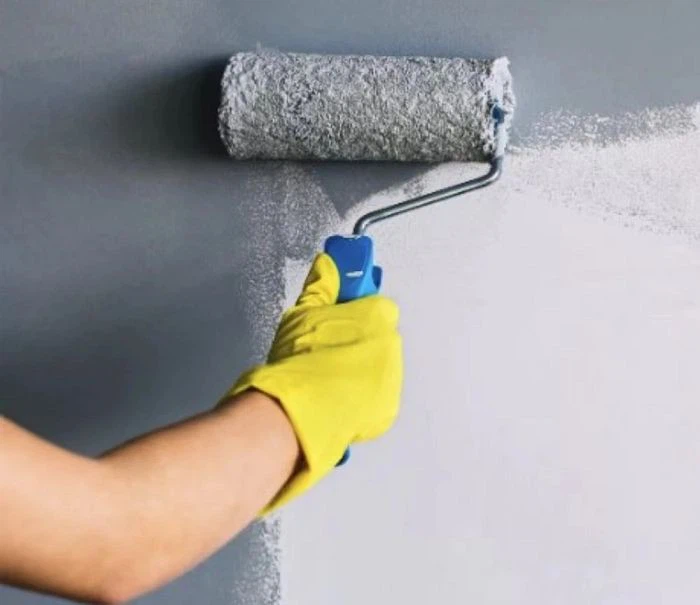
- Type of Plastering Gypsum: Different types of plastering gypsum have different properties. Some are designed for interior walls, while others are better suited for exterior use. Each type might require a slightly different water ratio. For example, Tonic Wall Putty might have a different recommended ratio compared to other gypsum products.
- Ambient Conditions: The temperature and humidity of the environment where you're working play a significant role. In hot and dry conditions, the water in the plaster will evaporate more quickly, so you might need to add a bit more water to keep the plaster workable. Conversely, in cold and humid conditions, you might need less water.
- Surface Porosity: The surface you're applying the plaster to also matters. If the surface is very porous, it will absorb more water from the plaster. In this case, you might need to increase the water ratio to compensate for the absorption.
Finding the Right Ratio
So, how do you figure out the correct water-to-plastering gypsum ratio? Here are some steps you can follow:
- Read the Manufacturer's Instructions: This is the first and most important step. The manufacturer of the plastering gypsum usually provides a recommended water ratio on the packaging or in the product manual. It's a good starting point, but keep in mind that you might need to adjust it based on the factors I mentioned earlier.
- Do a Small Test Batch: Before you start plastering a large area, it's a good idea to make a small test batch. Mix a small amount of gypsum with the recommended amount of water and see how it turns out. Check the consistency – it should be smooth and easy to spread. If it's too thick, add a little more water. If it's too runny, add a bit more gypsum.
- Observe the Setting Time: The setting time of the plaster can also give you an indication of whether the ratio is right. If the plaster sets too quickly, it might be because there wasn't enough water. If it takes too long to set, there might be too much water.
General Guidelines
While the exact ratio can vary, here are some general guidelines that can help you get in the ballpark:
- For most standard plastering gypsum products, a common water-to-gypsum ratio is around 0.6 to 0.8 liters of water per kilogram of gypsum. This means that for every kilogram of gypsum powder, you would add between 600 and 800 milliliters of water.
- However, if you're using Wall Putty Powder, the ratio might be a bit different. It could be closer to 0.5 to 0.7 liters of water per kilogram of powder.
Tips for Mixing
Once you've determined the right ratio, it's important to mix the gypsum and water properly. Here are some tips:
- Use the Right Tools: A mixing paddle attached to a drill is a great tool for mixing plastering gypsum. It ensures a thorough and consistent mix.
- Add Water Gradually: Don't pour all the water in at once. Start by adding about two-thirds of the required water and then gradually add the rest as you mix. This allows you to control the consistency better.
- Mix Thoroughly: Make sure there are no lumps in the mixture. Keep mixing for a few minutes to ensure that the gypsum and water are well combined.
Conclusion
Getting the correct water-to-plastering gypsum ratio is crucial for a successful plastering project. It takes a bit of experimentation and consideration of various factors, but with the right approach, you can achieve the perfect consistency. Remember to always follow the manufacturer's instructions, do a test batch, and adjust the ratio as needed.
If you're in the market for high-quality plastering gypsum products, I'm here to help. As a supplier, I can offer you a wide range of options to suit your specific needs. Whether you're working on a small DIY project or a large commercial job, I've got you covered. If you have any questions or want to discuss your requirements, feel free to reach out and let's start a conversation about your project.
References
- Various plastering gypsum product manuals and packaging information.
- Industry best practices and guidelines for plastering.


