


Can plastering gypsum be used in wet areas like bathrooms? As a plastering gypsum supplier, I get this question a lot. Let's dive into this topic and see if plastering gypsum is a good fit for those damp spots in your home.
First off, let's talk about what plastering gypsum is. It's a popular building material, known for its ease of use and great finishing. It can be used to create smooth walls and ceilings, giving a really professional look to any room. But when it comes to wet areas like bathrooms, things get a little tricky.
Gypsum is a soft mineral, and it doesn't handle water well on its own. When it gets wet, it can start to lose its strength and shape. You might see the plaster start to crumble, peel, or even grow mold. And in a bathroom, where there's constant exposure to steam, water splashes, and humidity, these problems can become pretty serious pretty fast.
But hold on, that doesn't mean plastering gypsum can't be used in bathrooms at all. There are ways to make it work, but you gotta do it right. One option is to use a waterproofing agent. There are products out there that can be mixed with the plastering gypsum to make it more resistant to water. These agents create a barrier that helps keep the water from seeping into the plaster.
Another approach is to apply a proper sealer on top of the plastered surface. A good quality sealer can prevent water from getting in and causing damage. Just make sure to choose a sealer that's designed for use in wet areas. And it's not just about applying it once; you'll need to re - seal every so often to keep the protection up.

Now, let's consider the process of using plastering gypsum in a bathroom. It's important to prepare the surface properly. Start by cleaning the walls or ceiling thoroughly to remove any dirt, grease, or old paint. You might also want to use an Interface Agent. This product helps the plastering gypsum adhere better to the surface, ensuring a strong bond.
When mixing the plastering gypsum, follow the manufacturer's instructions carefully. Using the right amount of water and mixing it well is crucial for getting the right consistency. Once it's mixed, apply it evenly to the surface. You can use a trowel for a smooth finish. But remember, the application needs to be done in a dry environment. If there's already a lot of moisture in the air, it can affect the drying process and the final quality of the plaster.
After the plaster has dried, it's time to think about the finishing touches. Painting is a great way to not only enhance the appearance but also add an extra layer of protection. Choose a paint that's moisture - resistant. Some paints are specifically formulated for bathrooms, so look for those.
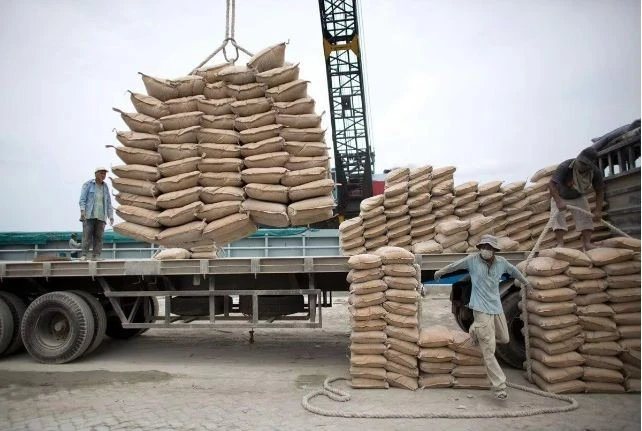
Now, let's compare plastering gypsum with other materials commonly used in wet areas. For example, 42.5portland Cement and Bulk Portland Cement. Portland cement is much more water - resistant than gypsum. It can withstand the constant moisture in a bathroom without much problem. However, it's also heavier and more difficult to work with. The application process is more labor - intensive, and you need to have some skills to get a smooth finish.
On the other hand, plastering gypsum is lightweight and easy to work with. It dries quickly, and you can achieve a really smooth and professional - looking finish. If you're willing to take the extra steps to waterproof it, it can be a great option for a bathroom.
One thing to keep in mind is that local building codes might have something to say about using plastering gypsum in wet areas. Before you start any project, make sure to check with your local authorities. They can tell you if there are any specific requirements or restrictions.
So, can plastering gypsum be used in wet areas like bathrooms? The answer is yes, but with some precautions. If you're willing to put in the effort to prepare the surface, use waterproofing agents, apply a sealer, and follow all the proper steps, plastering gypsum can give your bathroom a beautiful and long - lasting finish.
If you're thinking about using plastering gypsum for your next bathroom project, I'm here to help. As a supplier, I have a wide range of high - quality plastering gypsum products. I can also offer advice on the best practices for using them in wet areas. Whether you're a DIY enthusiast or a professional contractor, I'm ready to assist you. Just reach out, and we can start a conversation about your project. Let's work together to make your bathroom look amazing!
References
- Building Materials Science Handbook
- Guide to Interior Plastering in Wet Areas


