


Hey there! As a wall putty supplier, I often get asked a bunch of questions about where and how to use wall putty. One of the most common queries is, "Can wall putty be used in bathrooms?" Well, let's dive right into this topic and find out.
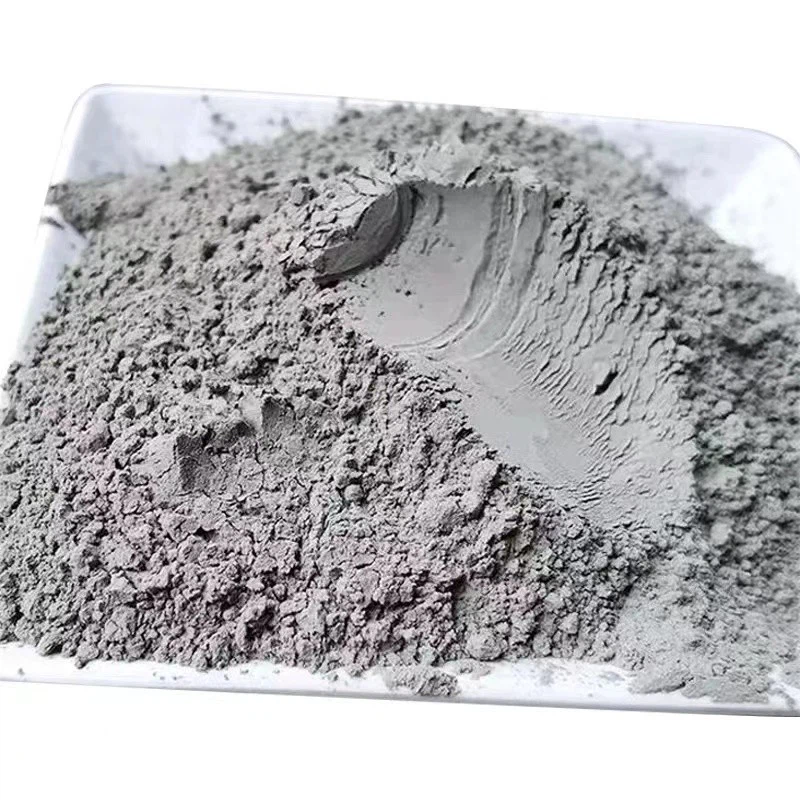
First off, let's understand what wall putty is. Wall putty is a material used to create a smooth and even surface on walls before painting. It fills in small cracks, holes, and irregularities, giving your walls a nice finish. You can check out more about Wall Putty on our website.
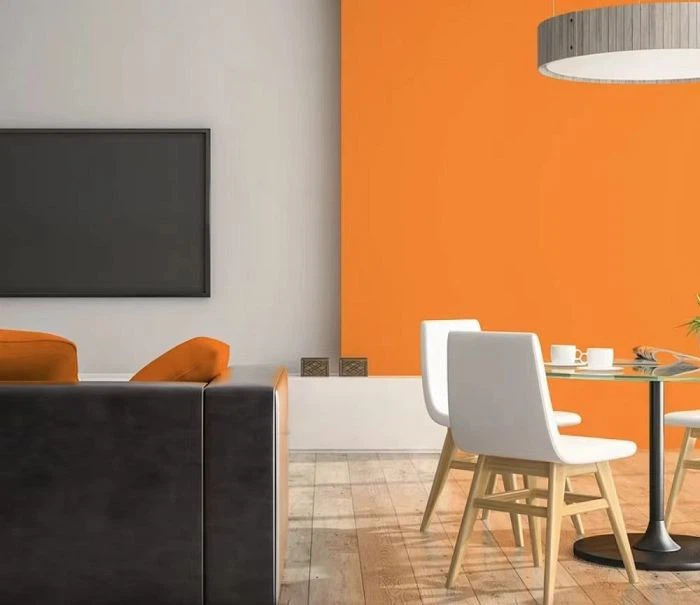
Now, bathrooms are a unique environment. They're constantly exposed to high humidity, steam, and water splashes. These conditions can be tough on any material, so we need to think carefully about whether wall putty is a good fit.
The Pros of Using Wall Putty in Bathrooms
Smooth Finish: Wall putty can give your bathroom walls a super smooth surface. This not only looks great but also makes it easier to clean. A smooth wall is less likely to trap dirt and grime, which is a big plus in a bathroom where hygiene is crucial.
Hides Imperfections: Just like in any other room, wall putty can hide those unsightly cracks and holes in your bathroom walls. It gives you a fresh canvas to work with, so you can paint your bathroom in the color of your choice and make it look brand new.
Cost - Effective: Compared to some other wall - finishing materials, wall putty is relatively inexpensive. If you're on a budget but still want to upgrade the look of your bathroom, wall putty can be a great option.
The Cons of Using Wall Putty in Bathrooms
Moisture Resistance: The biggest concern with using wall putty in bathrooms is its moisture resistance. Most standard wall putties are not designed to withstand the high levels of moisture in a bathroom. Over time, exposure to water and steam can cause the putty to soften, crack, or even peel off.
Mold and Mildew Growth: The damp environment in a bathroom is a breeding ground for mold and mildew. If the wall putty doesn't have proper anti - mold properties, it can become a target for these fungi. Mold and mildew not only look bad but can also be harmful to your health.
Choosing the Right Wall Putty for Bathrooms
If you've decided that you still want to use wall putty in your bathroom, you need to choose the right type.
Water - Resistant Wall Putty: Look for a wall putty that is specifically labeled as water - resistant. These putties are formulated to withstand moisture and are less likely to be affected by the damp conditions in a bathroom. They usually contain additives that help repel water and prevent damage.
Anti - Mold Wall Putty: To combat the growth of mold and mildew, opt for a wall putty with anti - mold properties. These putties have special chemicals that inhibit the growth of fungi, keeping your bathroom walls clean and healthy.
Preparation and Application
Once you've chosen the right wall putty, proper preparation and application are key to ensuring its longevity in the bathroom.
Surface Preparation: Before applying the wall putty, make sure the bathroom walls are clean, dry, and free of any loose paint or debris. You may need to sand the walls lightly to create a rough surface for the putty to adhere to.
Priming: Applying a good quality primer is essential. A primer helps the wall putty bond better to the wall and also provides an extra layer of protection against moisture. You can choose a primer that is specifically designed for use in damp areas.
Application: Follow the manufacturer's instructions carefully when applying the wall putty. Use a putty knife to apply the putty in thin, even layers. Allow each layer to dry completely before applying the next one. Usually, two to three layers are sufficient for a smooth finish.
Alternatives to Wall Putty in Bathrooms
If you're still not convinced that wall putty is the right choice for your bathroom, there are some alternatives you can consider.
42.5 Portland Cement: 42.5 Portland Cement is a very durable material. It can withstand high levels of moisture and is often used in wet areas. However, it may require more skill to apply and may not give as smooth a finish as wall putty.
Plastering Gypsum: Plastering Gypsum is another option. It has good fire - resistance and can create a smooth surface. But like wall putty, it also needs to be properly sealed to prevent moisture damage.
Conclusion
So, can wall putty be used in bathrooms? The answer is yes, but with some precautions. If you choose the right water - resistant and anti - mold wall putty, and follow the proper preparation and application steps, it can be a viable option for finishing your bathroom walls. However, if you're not confident in using wall putty, there are other alternatives available.
If you're interested in purchasing wall putty for your bathroom or have any questions about our products, feel free to reach out to us. We're here to help you make the best decision for your project. Whether you're a homeowner looking to renovate your bathroom or a contractor working on a big project, we've got the right wall putty for you. Contact us today to start the procurement process and let's get your bathroom looking amazing!
References
- Building Materials Handbook: A comprehensive guide to different wall - finishing materials and their properties.
- Manufacturer's manuals for wall putty, 42.5 Portland Cement, and Plastering Gypsum.


